Kia ora
What do we mean by sustainability?
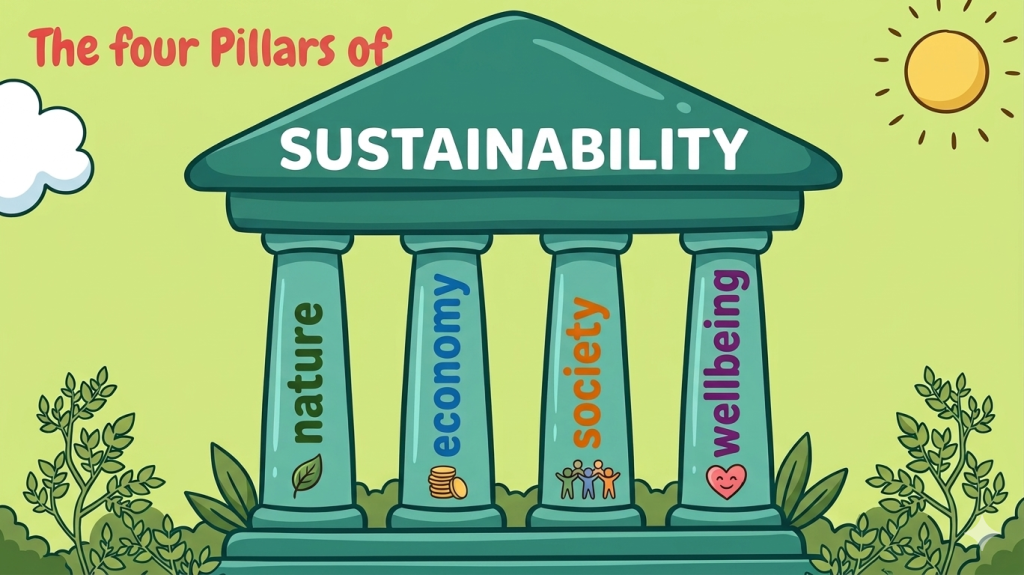
Sustainability is about meeting the needs of the present without compromising the ability of future generations to meet their own. It is a holistic way of thinking and acting, built around four interconnected pillars: Nature, Economy, Society, and Wellbeing. Together, these pillars help create a balanced, resilient, and thriving future for both people and the planet.
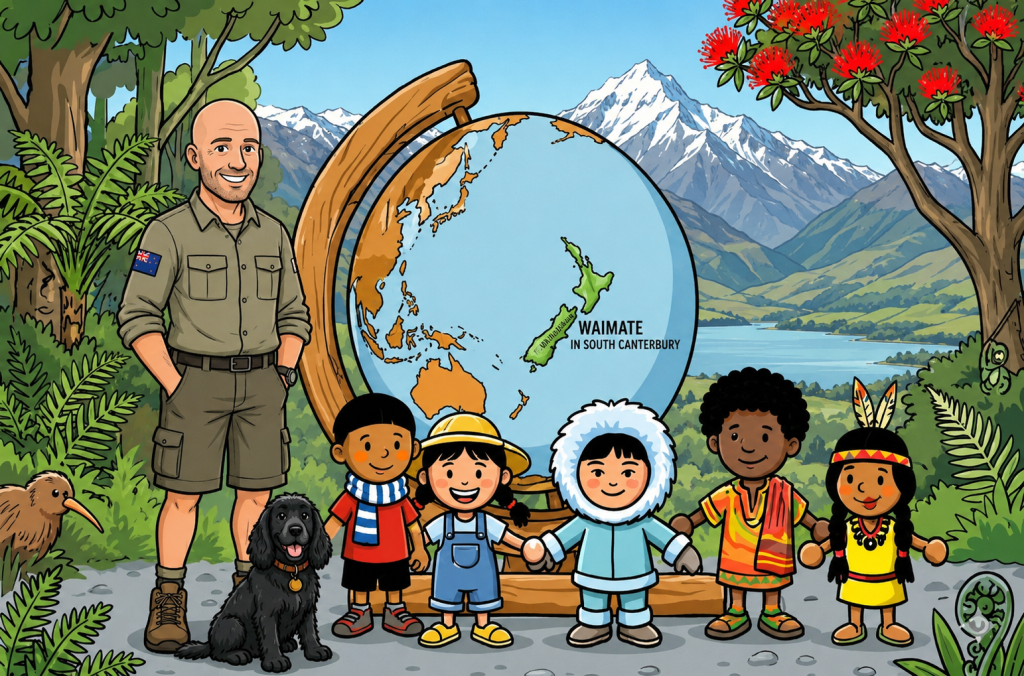
My name is Andrew (that’s an AI version of me above, along with Molly the Cocker Spaniel). I live in the Waimate District of South Canterbury — one of New Zealand’s best-kept secrets. Before creating Think Sustainably, I spent 16 years as a primary school teacher, working both in Aotearoa New Zealand and overseas. I have a Master’s degree in Education for Sustainability (EfS) from London, (UK).
For a few short years I also managed the Department of Conservation’s education programme at Aoraki / Mount Cook National Park. During that time, I was often surprised by how little many students — and sometimes their supporting adults — knew about New Zealand’s unique native biodiversity and the challenges it faces through habitat loss and species decline.
That experience sparked a question: How can we expect young New Zealanders to value and protect our natural heritage if they don’t first know what is out there?
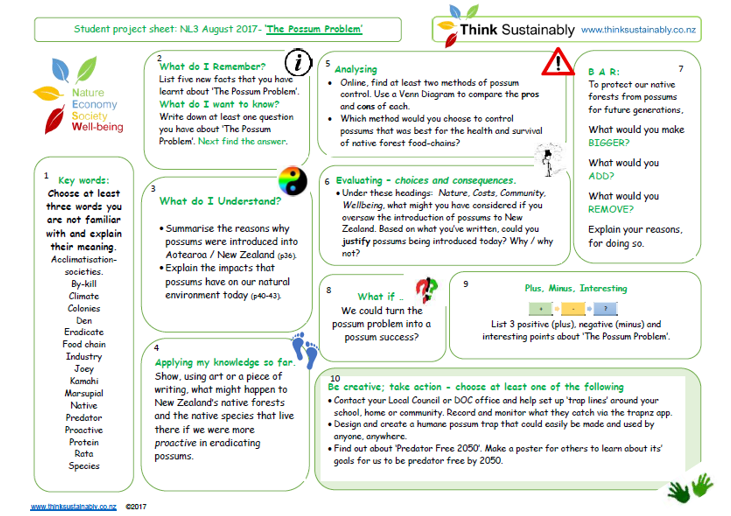
Believing strongly that meaningful change begins with individual action, I created Think Sustainably to help teachers bring sustainability into everyday classroom learning. I wanted to provide practical, curriculum-linked resources that reduced the planning and research workload often associated with sustainability education.
The answer was already sitting in classrooms throughout the country: the rich collection of stories and articles found in the School Journals. By building engaging worksheets around these trusted resources, teachers can easily introduce sustainability concepts while strengthening literacy and critical-thinking skills.
My earliest resources focused primarily on the Nature pillar — topics such as sandflies, seals, penguins, and the Auckland Islands. After all, knowledge is the foundation of informed decision-making. When students understand the natural world around them, they are better equipped to care for it.
However, sustainability is about much more than nature alone.
My Master’s degree reinforced the importance of addressing all four pillars: Nature, Society, Economy, and Wellbeing (NSEW) — much like the four points of a compass. Each pillar influences the others. When one is neglected, the health of the whole system is affected. Understanding these connections helps students develop the knowledge and skills needed to contribute to a fair, resilient, and sustainable future.
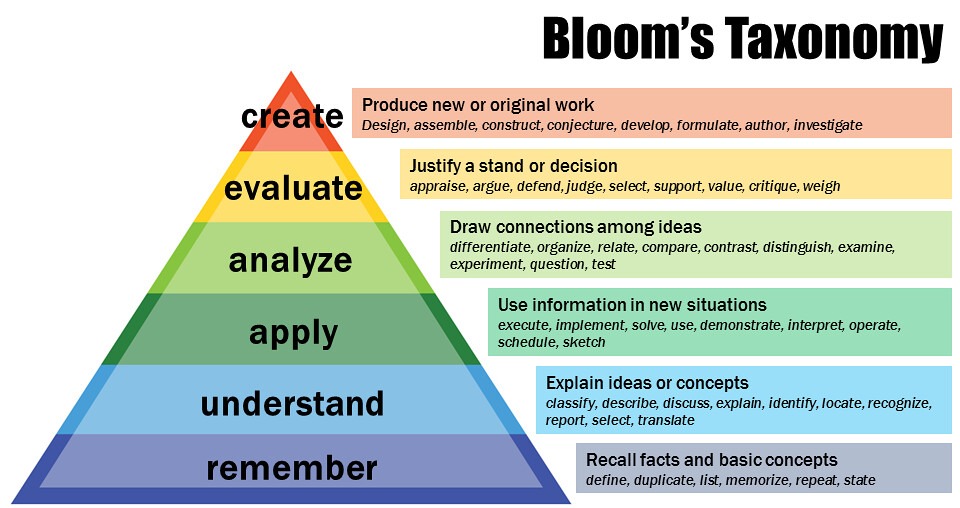
A key feature of the resources on this site is the use of Bloom’s Taxonomy to encourage critical thinking. In a world increasingly shaped by social media, misinformation, and rapid change, young people need opportunities to analyse information, evaluate evidence, and form reasoned conclusions.
The goal is not to tell students what to think, but to help them learn how to think sustainably — to recognise the connections between nature, society, the economy, and wellbeing, and to understand how the choices we make today shape the world of tomorrow.
All resources on this site were refreshed and updated in 2026. If you have suggestions, feedback, or ideas for improvement, I would love to hear from you via the Contact page.
True transformation begins when we stop waiting for others to act and start embodying the solutions ourselves.
Ngā mihi,
Andrew